
Artificial Intelligence did not begin with ChatGPT.
It began in research labs in the 1950s, survived two AI winters, transformed global computing in the 2010s, and by 2026 became the backbone of trillion-dollar technology empires.
This is the full chronological story of AI companies — from the first AI startup to OpenAI, DeepMind, NVIDIA, Anthropic, Meta, xAI, and the AI agent era.
1956–1970: The Birth of Artificial Intelligence
Artificial Intelligence was officially born at the Dartmouth Conference in 1956.
Key pioneers included:
- John McCarthy
- Marvin Minsky
- Allen Newell
- Herbert Simon
Early AI focused on symbolic reasoning — encoding logic into machines.
However:
- Hardware was limited
- Data was scarce
- Expectations were unrealistic
This led to the first AI Winter.
There were no major AI companies yet — only university research labs.
1980: The First AI Companies



4
One of the earliest AI startups was IntelliCorp, founded in 1980.
What It Built
- Expert systems
- Rule-based enterprise decision software
Other early AI companies included:
- Symbolics
- Lisp Machines Inc.
Innovation That Enabled This Era
Knowledge-based systems designed to automate business decisions.
However, the technology could not scale.
The second AI Winter followed in the late 1980s.
AI would remain quiet — but not gone.
1997–2011: IBM Proves Machines Can Compete


4
Deep Blue (1997)
IBM built Deep Blue, which defeated world chess champion Garry Kasparov.
This was not modern AI — it relied on brute-force search — but it demonstrated machine superiority in structured domains.
Watson (2011)
IBM Watson defeated Jeopardy champions using:
- Natural language processing
- Massive databases
- Probabilistic reasoning
This era proved AI could process vast amounts of information faster than humans.
But true generalization required a new breakthrough.
2012: The Deep Learning Revolution

4
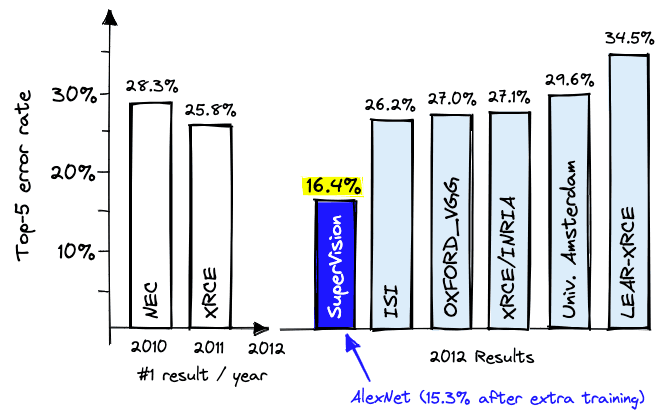
In 2012, Geoffrey Hinton and his team introduced AlexNet, which crushed the ImageNet competition.
Why This Changed Everything
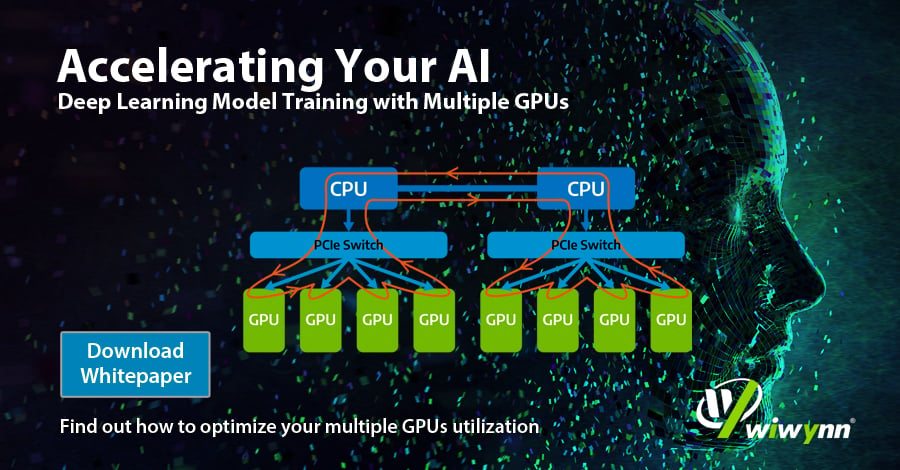
- GPUs enabled large-scale neural training
- Backpropagation was optimized
- Massive datasets became available
Deep learning replaced symbolic AI.
Modern AI companies were born from this moment.
2010–2016: DeepMind & Reinforcement Learning

4
DeepMind was founded in 2010 by:
- Demis Hassabis
- Shane Legg
- Mustafa Suleyman
Google acquired DeepMind in 2014.
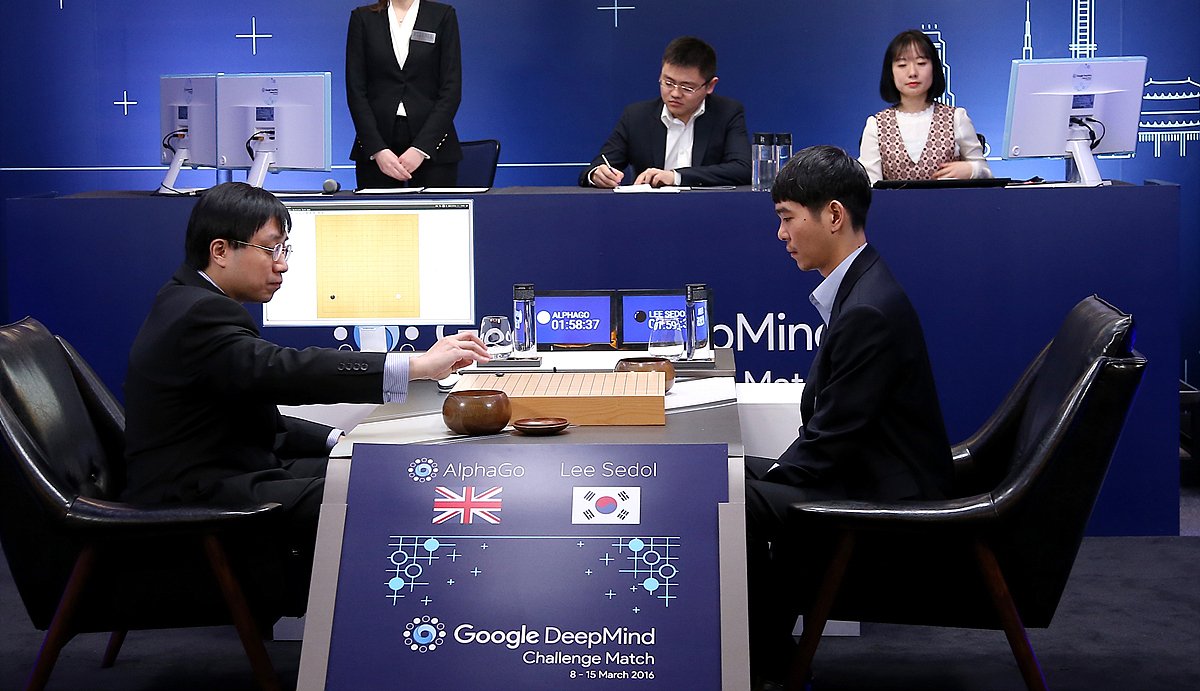
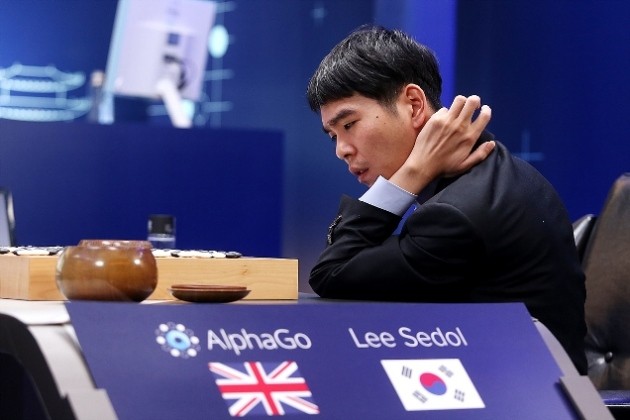
In 2016, AlphaGo defeated Lee Sedol in the game of Go.
Why It Mattered
- Reinforcement learning
- Self-play systems
- Neural networks + search
DeepMind proved machines could learn intuition-heavy tasks.
Parent company: Google, under Alphabet Inc..
2017: The Transformer Breakthrough
In 2017, Google researchers published:
“Attention Is All You Need.”
This paper introduced the Transformer architecture.
Why Transformers Matter
- Parallel training
- Massive scalability
- Context-aware attention
This directly led to:
- GPT models
- BERT
- Claude
- Gemini
- LLaMA
Without Transformers, modern AI would not exist.
2015–2022: OpenAI and the LLM Explosion


4
OpenAI was founded in 2015 by:
- Sam Altman
- Elon Musk
- Greg Brockman
- Ilya Sutskever
Key Innovation
- Scaling laws
- Reinforcement Learning from Human Feedback (RLHF)
- Large language model training
Milestones:
- GPT-2 (2019)
- GPT-3 (2020)
- ChatGPT (2022)
ChatGPT became the fastest-growing consumer app in history.
Microsoft invested billions and integrated OpenAI into Azure.
2021–2023: The AI Startup Explosion
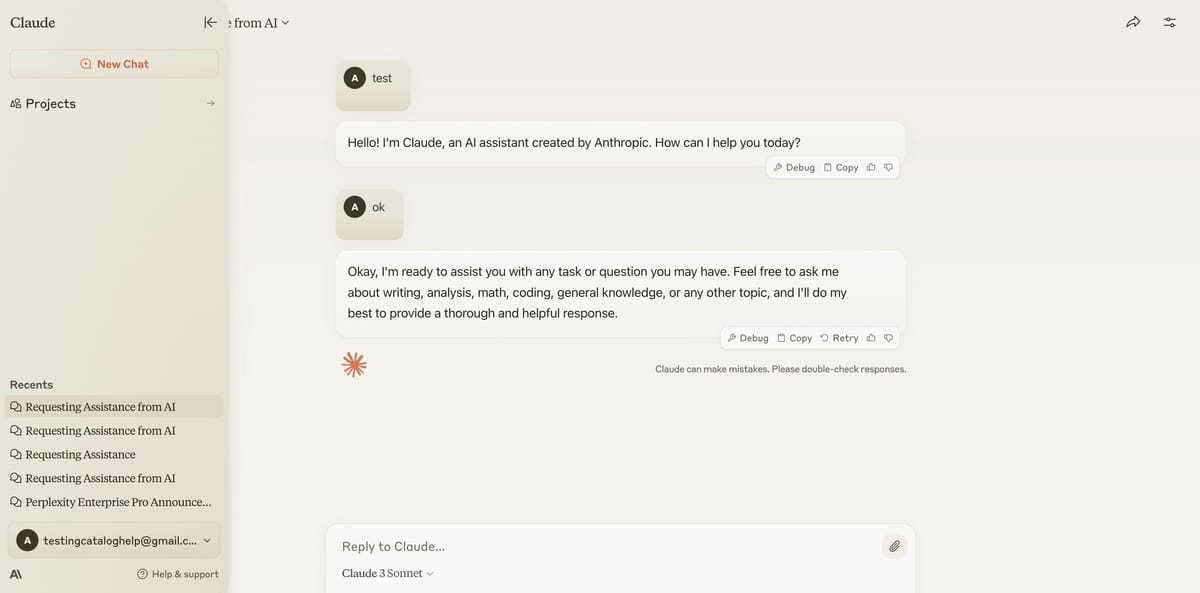
Anthropic (2021)


4
Founded by former OpenAI VP Dario Amodei.
Anthropic focused on:
- AI alignment
- Constitutional AI
- Enterprise-safe LLMs
Backed by Amazon and Google.
Meta and the Open Model Movement
Meta released LLaMA models, accelerating open-weight AI.
This enabled startups like Mistral AI to emerge rapidly.
xAI (2023)
Founded by Elon Musk.
Built Grok, integrated with the X platform.
2023–2026: The AI Arms Race
GPT-4 → GPT-4o → GPT-5 Era
OpenAI introduced:
- GPT-4 (advanced reasoning)
- GPT-4o (real-time multimodal AI)
- GPT-5 (enhanced reasoning and autonomy)
Shift:
From chatbot → AI infrastructure platform.
Google Gemini Era
Google merged Google Brain and DeepMind.
Released:
- Gemini 1
- Gemini 1.5
- Gemini Ultra
Focus:
- Native multimodal AI
- Enterprise AI integration
- AI-first search
Claude 3 & 4
Anthropic released Claude 3 series.
Highlights:
- Large context windows
- Safety optimization
- Enterprise AI positioning
Anthropic became OpenAI’s strongest rival.
NVIDIA: The Infrastructure Kingmaker


4
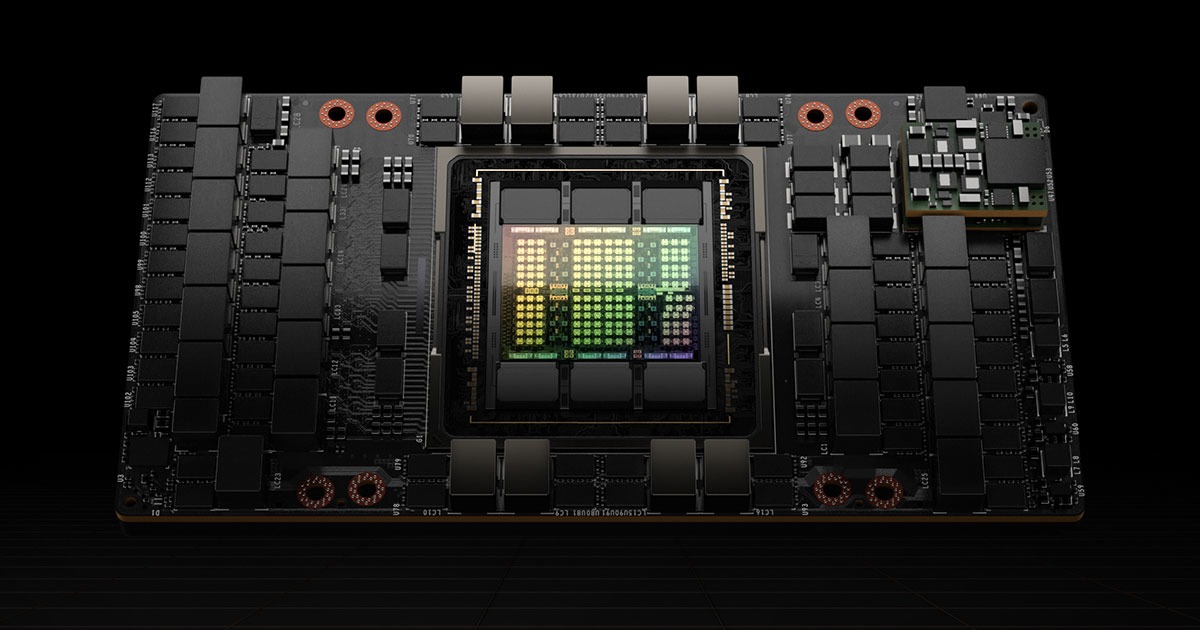
Modern AI runs on GPUs built by NVIDIA.
Innovations:
- A100
- H100
- Blackwell architecture
NVIDIA surpassed $2 trillion in market value during the AI boom.
Without NVIDIA, AI would not scale.
2025–2026: The AI Agent Era
By 2026, AI moved beyond chat.
New capabilities:
- Autonomous coding systems
- AI agents completing multi-step tasks
- Persistent memory
- Enterprise copilots
- Multimodal reasoning
AI became operational infrastructure.
The AI Innovation Chain
Symbolic AI
→ Expert Systems
→ Statistical Machine Learning
→ Deep Learning
→ Reinforcement Learning
→ Transformers
→ Large Language Models
→ Multimodal AI
→ AI Agents
Each breakthrough created the founders of the next generation.
AI Industry Scale by 2026
- Microsoft: $3T+
- Alphabet: $1T+
- NVIDIA: $2T+
- Meta: $1T+
- OpenAI: Tens of billions valuation
- Anthropic: Multi-billion valuation
AI is now global infrastructure.
FAQs
What was the first AI company?
One of the earliest AI companies was IntelliCorp, founded in 1980, focused on expert systems.
What triggered modern AI?
The 2012 deep learning breakthrough and the 2017 Transformer architecture.
What defines the 2026 AI era?
Multimodal AI systems, autonomous AI agents, and trillion-dollar AI infrastructure companies.